
Everyday Wear
Put your jewellery on last, after perfume, lotion, make-up and hairspray have dried, and take it off first.
Take rings off for the gym, gardening, cleaning or heavy lifting. A hard knock can bend a prong or chip a stone, even a diamond.
Cleaning At Home
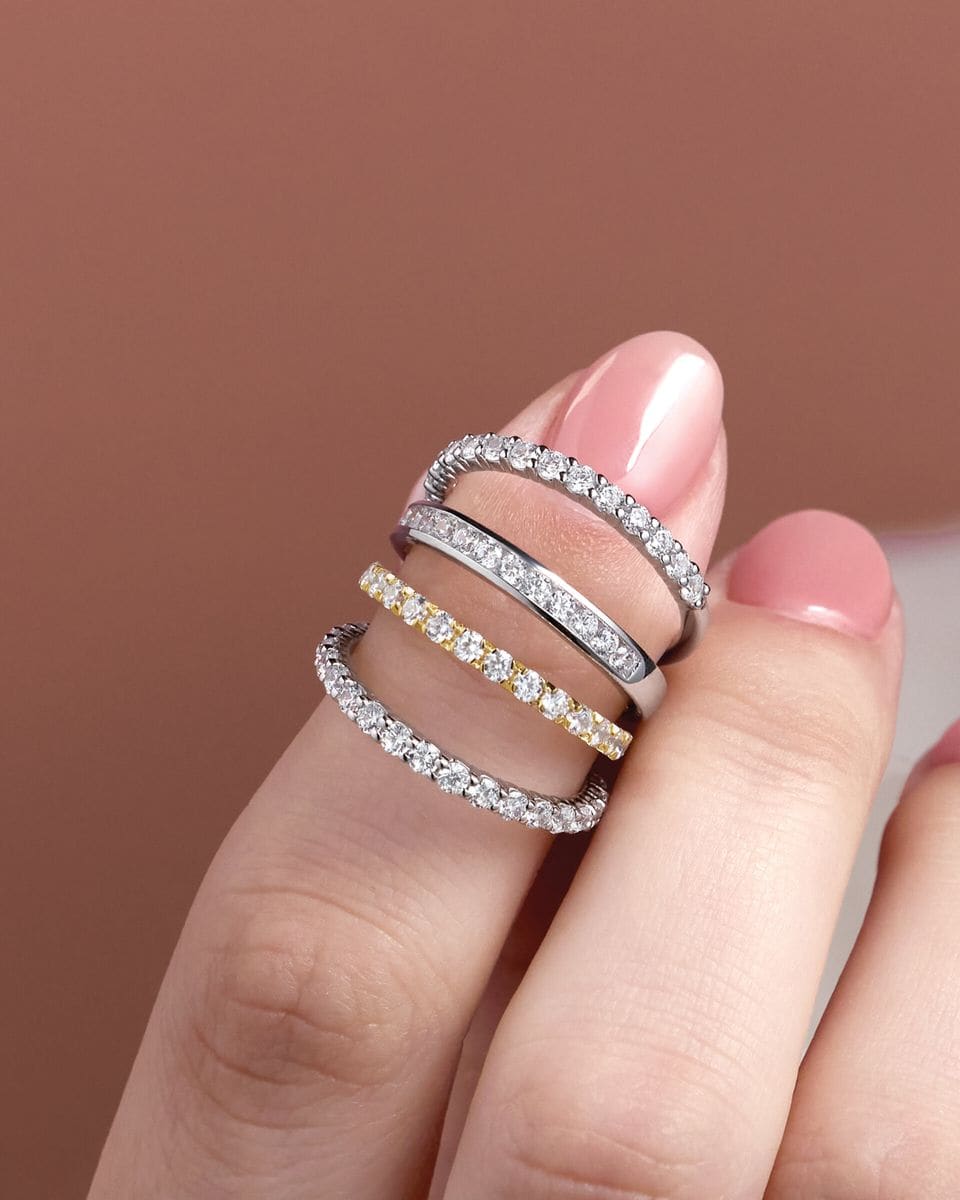
For most gold and diamond pieces, soak them for a few minutes in warm water with a little mild dish soap. Brush gently with a soft toothbrush, paying attention to the back of the stone where grease builds up. Rinse in clean water, with the sink plugged, and pat dry with a soft, lint-free cloth.
Emeralds, pearls and opals need gentler care: wipe them with a soft, damp cloth and dry them straight away.
What To Avoid
- Chlorine: take jewellery off before a pool or spa. Chlorine can damage gold alloys and weaken settings over time.
- Household chemicals and bleach: wear gloves or remove your rings.
- Ultrasonic and steam cleaners for emeralds, pearls, opals and any treated or fracture-filled stone. Ask us if you are unsure what your stone is.
- Heat and sudden changes of temperature, which can harm many stones and treatments.
- Rough cloths, toothpaste or abrasive cleaners, which scratch gold.
Storing Your Pieces
Keep each piece apart, in a soft pouch or a lined box with separate compartments. Diamonds can scratch other stones and gold, and chains tangle when stored together. Pearls are best kept on their own, away from harder pieces.
Fasten chains before you put them away, so they don’t knot.
Checking Prongs And Settings
Have pieces you wear often, especially rings, checked by a jeweller about every six months. Look sooner if a stone moves or rattles, a prong looks bent or flattened, or it catches on fabric.
Caring For Gold
Gold purity changes how a piece wears. 14K gold has more of the other metals mixed in, so it is a little harder and resists scratches and dents better. 18K is richer in gold and slightly softer. 22K is softer again, so it is best kept away from hard knocks. All three last for generations with care.
White gold is often plated with rhodium, a bright white metal. The plating wears thin with everyday use and the warmer gold beneath begins to show. A jeweller can re-plate it, and rings usually need this more often than earrings or pendants.
Gold delivered in India is BIS hallmarked. The hallmark is stamped on the piece and has three marks: the BIS logo, the purity, such as 22K916, 18K750 or 14K585, and a six-character code, the HUID, unique to that piece.
Sources
- GIA, Tips for caring for your jewellery
- GIA, Secrets to keep your diamond sparkling
- GIA 4Cs blog, Care and cleaning
- GIA 4Cs blog, Jewellery category (gold karats, rhodium plating)
- GIA 4Cs blog, Diamonds vs pearls
- Bureau of Indian Standards, Hallmarking FAQs
- Bureau of Indian Standards, Hallmarking for jewellers